
Hormone support, beyond just testosterone. Read together, not in pieces.
What looks like low testosterone is often a thyroid signal, a cortisol pattern, or a metabolic issue producing the same symptoms — and a testosterone-only protocol misses it. Dr. Castellano works from what your case actually needs — building on prior bloodwork where it's useful, ordering whatever pieces of the hormone, thyroid, adrenal, and metabolic panel the picture calls for — then prescribes the narrowest intervention the data justifies. Sometimes that's TRT. Often it's thyroid work or metabolic correction instead.
- Total + free testosterone
- Full thyroid (TSH, free T4, free T3)
- Morning cortisol
- Estradiol (E2)
- Fasting glucose + HbA1c
- Lipid panel + vitamin D
- CBC + comprehensive metabolic panel
Initial visit + panel scoped per patient. No long-term contract.
The signals that bring men in for a fuller hormone read.
Some men come in after a TRT consult that didn't feel complete — the testosterone number alone didn't explain how they were feeling. Others come in for energy / sleep / mood / weight that didn't track to any single obvious cause. Patterns to watch for after 35:
Take the 2-minute self-assessment- Energy that drops by mid-afternoon and doesn't refill with sleep or coffee
- Stubborn weight that won't move with the same diet that worked five years ago
- Sleep that doesn't refill the tank — tired even after 7-8 hours
- Mood, focus, or motivation that feel flatter than baseline
- Cold intolerance, hair changes, or skin shifts that suggest thyroid involvement
- Stress that hits harder than it used to and takes longer to recover from
- Strength and recovery slipping despite the same effort at the gym
- Lab values from another clinic that flagged "borderline" without context
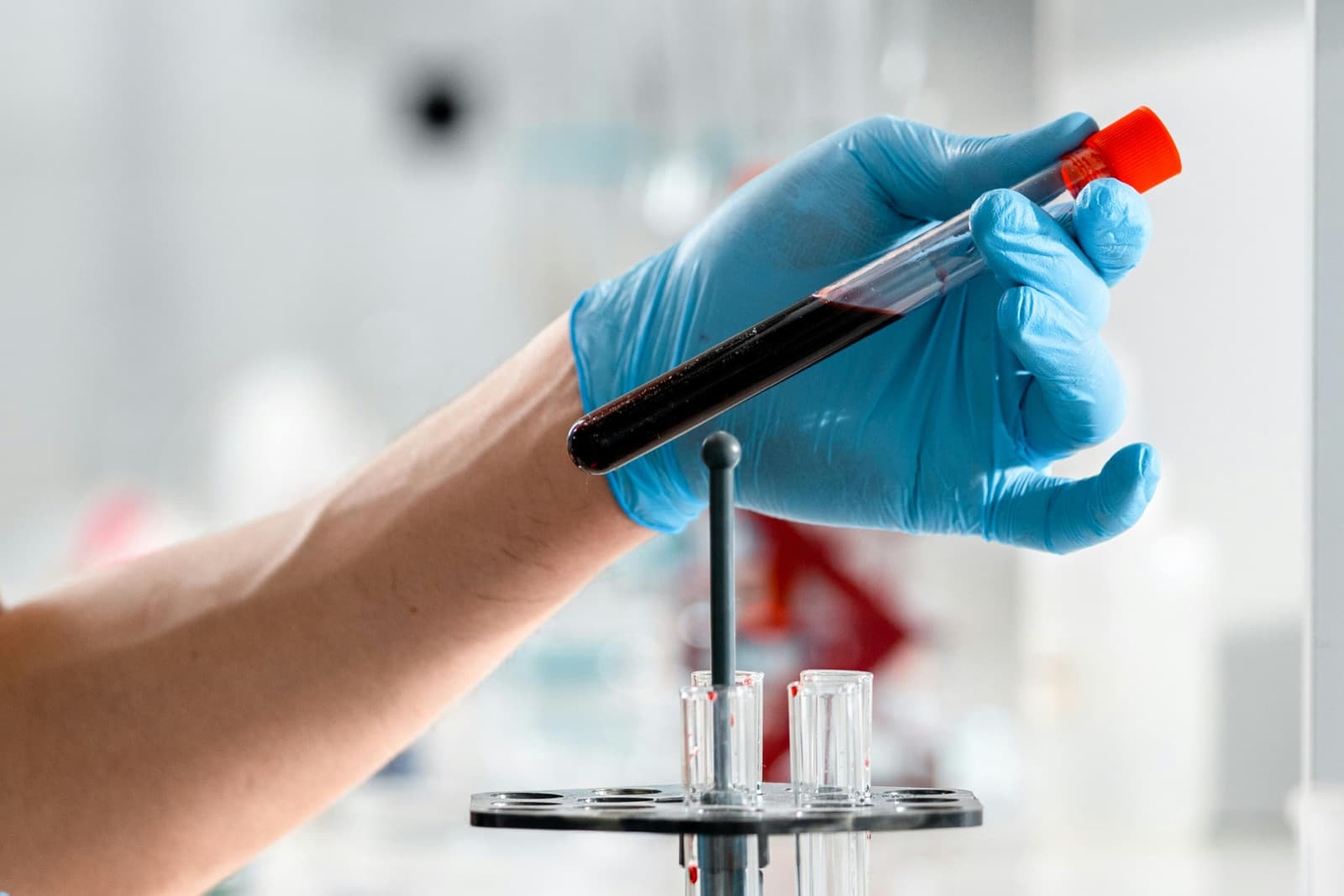
The full hormone panel. Read together, not in pieces.
A real hormone work-up looks at the system, not the slice. Here's what Dr. Castellano runs on the initial panel and why each piece matters.
Total + free testosterone
The bound vs. bioavailable picture. Most clinics check only total T; the free fraction is what tissues actually see.
Thyroid (TSH, free T4, free T3)
Fatigue, weight, mood, and even libido symptoms often track to thyroid before they track to testosterone. Worth ruling in or out before any hormone protocol.
Cortisol (morning + sometimes diurnal curve)
Chronic high or low cortisol disrupts testosterone production. The cortisol-testosterone relationship is well documented; the panel should reflect it.
Estradiol (E2)
Testosterone converts to estradiol via aromatase. Too low or too high E2 causes its own symptoms; needs to be read alongside testosterone, not after.
Metabolic markers
Fasting glucose, HbA1c, lipid panel, vitamin D. Insulin resistance, vitamin D deficiency, and dyslipidemia all shift hormone behavior. Treating the hormone without the metabolism leaves the picture half-finished.
Four steps. Built around your panel, not a script.
- 01
Sit-down visit
1-hour, 1-on-1 with Dr. Castellano. He walks through the panel with you marker by marker, explains what the patterns suggest, and lays out options without pressure to upsell anything.
- 02
Full panel
Lab order goes out from the visit. ~30-45 minutes at the lab. Castellano orders the wider hormone + thyroid + adrenal + metabolic panel up front, not piecemeal.
- 03
Plan the narrowest-effective intervention
Sometimes that's TRT, sometimes it's thyroid work, sometimes it's lifestyle plus recheck in 8 weeks. Treatment matches the patterns; nothing prescribed that the panel doesn't justify.
- 04
Recheck + adjust
Labs at 6 weeks, then quarterly. Same doctor reading the trend line. Adjustments based on numbers and how you feel — both have to track together.
One number doesn't make a diagnosis. The relationships between them do.
Hormone systems are interlocked. A testosterone result without thyroid context, cortisol context, or metabolic context tells you almost nothing about what's actually driving the symptoms. The panel — read against your case — is what surfaces the real picture.
Relationships, not single numbers
A testosterone number alongside high cortisol means something different than the same number alongside normal cortisol. A borderline T alongside subclinical hypothyroidism means something different still. The diagnosis lives in how the markers relate — not in any one number.
Upstream catches what downstream misses
When thyroid is the driver of what looks like low T, treating testosterone alone burns months without fixing anything. Insulin resistance shifts hormone behavior across the panel. Reading the upstream signal first means the intervention lands where the actual problem is.
Right-sized to the panel
Sometimes the right answer is TRT. Often it's thyroid work, cortisol regulation, lifestyle adjustment, or recheck in 8 weeks. The protocol gets sized to what the panel actually justifies.
Often what feels like low T is actually a thyroid or adrenal pattern. A focused testosterone-only protocol misses what the wider panel catches. The same hormone framework forms the backbone of any honest anti-aging plan.
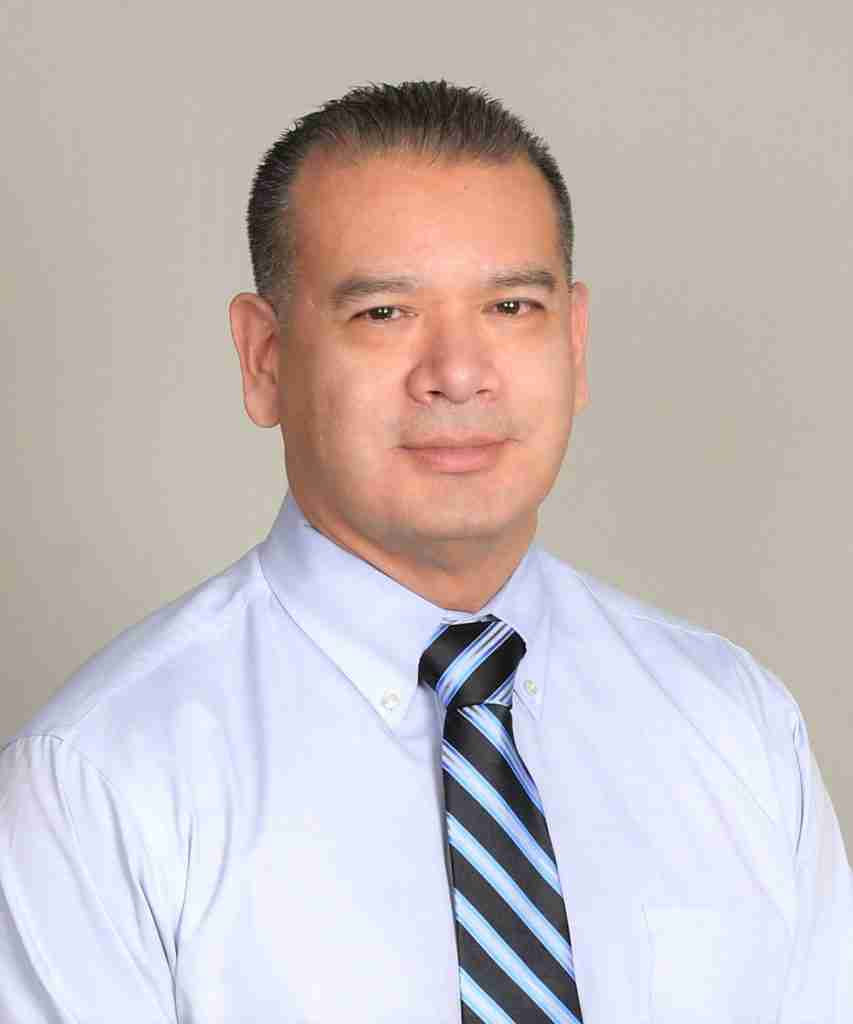
Dr. Castellano — Orange County, since 1999.
Trained at UC Irvine School of Medicine ('96). Board-certified in Family Medicine (ABFM). Advanced certifications in Anti-Aging and Regenerative Medicine (ABAARM, Anti-Aging Fellowship). Three decades of practice in the same Orange County market.
The hormone-support framework is built around the same principle the rest of the practice runs on: same doctor every visit, same chart, the same conversation continuing. Trend lines get read by an eye that's been on the case the whole time.
The questions men actually ask before they call.
Don't see yours? Call the office and ask Dr. Castellano directly.
What's the difference between TRT and hormone support therapy?
What's actually included in the initial hormone panel?
How is this different from what a primary care doctor would order?
Does Dr. Castellano use bioidentical hormones?
How long does it take to feel a difference?
What if testosterone is in the "normal" range but the patient still feels off?
Is hormone support the same as anti-aging?
Does the practice treat both men and women for hormone issues?
What's the cost?
Does the practice treat men outside Garden Grove?
Real patients. Real reviews. Verified by Google.
Hormone support for the Orange County corridor.
The clinic sits on S Euclid St in Garden Grove — easy reach from Anaheim, Westminster, Santa Ana, and the wider OC corridor. Free on-site parking.
We see patients from Garden Grove, Anaheim, Westminster, Stanton, Santa Ana, Cypress, Buena Park, Orange, Fountain Valley, Huntington Beach, Costa Mesa, Tustin, Fullerton, Long Beach, Los Angeles, and across Orange County.
Book the 1-hour consult.
Call the office directly or send a quick note. Dr. Castellano (or his front desk) will get back the same business day to confirm a time.
Mon–Fri 9 AM – 5 PM
Calling after hours? Leave a message — we’ll get back to you the next business day.