
Peptide therapy, evaluated honestly. No hype. Always within the regulatory line.
Peptides are a real research category — growth-hormone-releasing, tissue-repair, metabolic, immune-modulation — and the published clinical evidence is real but uneven across them. Dr. Castellano reads the current peptide literature alongside FDA-compounding guidance, then evaluates your labs, history, and goals before recommending anything. The protocol — if one fits at all — only moves forward when both the evidence and the regulations back it. No published menu. No auto-refill model. No protocol the data doesn't actually carry.
Garden Grove · Mon–Fri 9 AM – 5 PM

What peptides actually are — without the marketing wrapper.
Peptides are short chains of amino acids — the same amino acids that build proteins, organized into shorter sequences that the body uses as signaling molecules. Many of them act like internal messages, telling specific cells to do specific things: release a hormone, repair a tissue, regulate appetite, modulate inflammation.
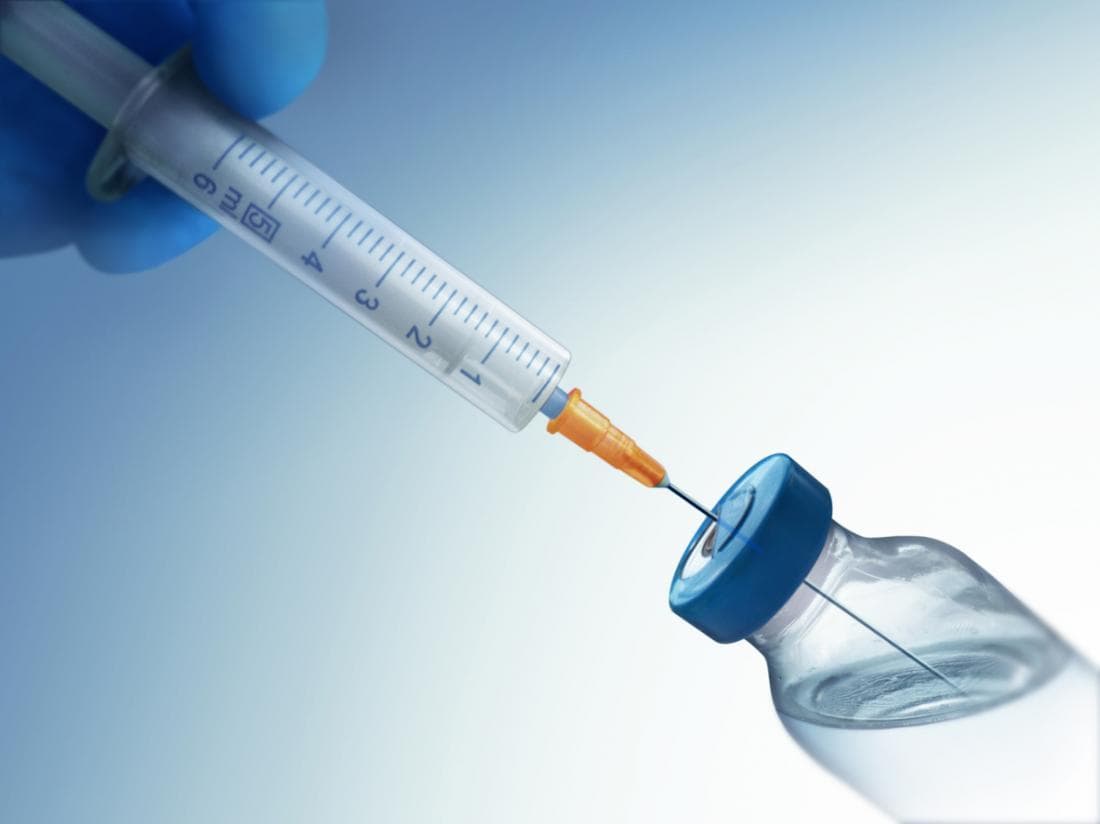
Peptide therapy uses synthetic versions of these signaling molecules to support specific clinical outcomes. The category is broad — there are peptides studied for everything from growth-hormone signaling to wound-healing to appetite regulation — and the evidence base varies a lot from peptide to peptide and indication to indication. Honest medical use means matching a specific peptide category to a specific clinical picture, not running a one-size protocol.
The general families peptide therapy works across.
Whether any specific peptide inside any of these categories is appropriate for a given patient — and whether it’s currently permissible to compound and prescribe — is the conversation that happens in the visit, after the labs are on the table.
Growth-hormone-releasing peptides
Signal the pituitary to release growth hormone. Studied for recovery, sleep quality, body composition support in adults with documented age-related decline.
Tissue-repair / healing peptides
Studied as adjuncts to soft-tissue recovery, tendon and ligament healing, post-injury repair when appropriate to the case.
Metabolic / appetite-regulation peptides
The GLP-1 receptor-agonist class is the best-known here — studied for appetite regulation and metabolic management when biology is the limiter.
Immune-modulation peptides
Studied for immune-system signaling support in patients with documented immune dysregulation. Narrow indication set.
Sleep / circadian-support peptides
Studied for support of sleep architecture, particularly in adults with disrupted recovery from shift work, travel, or aging.
Cognitive-support peptides
Studied for memory and focus support in patients with documented cognitive decline. Evidence base is narrower than other categories — Dr. Castellano discusses honestly.
The regulatory landscape changes. Honest practice changes with it.
Some clinics publish a long brand-name menu of peptides on their service pages. That’s a marketing strategy, not a clinical one. The FDA’s compounding-permissibility list updates over time. What was prescribable one year may not be the next. A static published menu either goes out of date — or, worse, signals an intent to prescribe regardless of changing guidance.
Dr. Castellano takes the slower path. The conversation about which specific peptides are appropriate for a specific patient happens in the visit, against current regulatory guidance, after the labs are reviewed. That’s why this page describes categories instead of brand names.
Documented clinical picture. Lab values that anchor it.
- Documented growth-hormone decline + clear recovery / sleep impact in an athlete past 40
- Soft-tissue or tendon healing adjunct, when the injury and recovery curve fit
- Metabolic plan adjunct alongside lab-driven hormone correction
- Immune-modulation support in a documented dysregulation case
Hype-driven. Lifestyle compensation. No baseline.
- Looking for a monthly auto-refill model with no lab checks
- Expecting peptides to compensate for sleep, training, or nutrition neglect
- Hoping for a quick fix without baseline lab values to anchor the protocol
- Marketing-driven curiosity without a clinical reason to be on the therapy
Peptide therapy is rarely the headline. Usually it’s the adjunct.
For most patients who walk through the door asking about peptides, the load-bearing intervention turns out to be hormone correction (TRT) or metabolic optimization. Peptide therapy slots in as a targeted adjunct when the clinical picture supports it — not as a substitute for the foundational work.
For some patients, peptide therapy never makes it into the plan at all, and that’s the right call. The point of the visit is to find out which interventions actually move the needle for you — and which are someone else’s sales pitch.
Honest framing: it varies, and we tell you in the visit.
Peptide protocol costs depend on which specific protocol is appropriate, the compounding pharmacy’s current pricing, and how long the cycle runs. Specific numbers get walked through in the visit before any decision is made. No long-term contract, no monthly auto-renewal that outlasts the clinical reason for being on the therapy.

Decades of separating marketing from medicine.
UC Irvine School of Medicine ('96). Board-certified in Family Medicine (ABFM). Advanced certifications in Anti-Aging and Regenerative Medicine (ABAARM, Anti-Aging Fellowship). Three decades of practice in the same Orange County market.
Peptide therapy is a real category of medical care when it’s practiced honestly — with labs, with appropriate indication, within regulatory guidance, and with a willingness to say no when the clinical picture doesn’t support it.
Questions worth asking before any peptide protocol starts.
Don’t see yours? Call the office and ask Dr. Castellano directly.
Why don't you list specific peptides on this page?
Are peptides FDA-approved?
How is this different from buying peptides from an online research-chemical site?
Do you prescribe peptides for weight loss?
Do you prescribe peptides for healing or soft-tissue recovery?
How long does a peptide protocol typically run?
Do I need labs first?
Real patients. Real reviews. Verified by Google.
Peptide therapy evaluation across the OC corridor.
The clinic sits on S Euclid St in Garden Grove — easy reach from Anaheim, Westminster, Santa Ana, and the wider OC corridor. Free on-site parking.
We see patients from Garden Grove, Anaheim, Westminster, Stanton, Santa Ana, Cypress, Buena Park, Orange, Fountain Valley, Huntington Beach, Costa Mesa, Tustin, Fullerton, Long Beach, Los Angeles, and across Orange County.
Book the 1-hour consult.
Bring your bloodwork. The peptide-therapy conversation only makes sense with lab values on the table — Dr. Castellano won’t recommend a protocol from a marketing description of how you feel.
Mon–Fri 9 AM – 5 PM
Calling after hours? Leave a message — we’ll get back to you the next business day.